Gorgeous Green Leaves: A Designer's Real-World Review
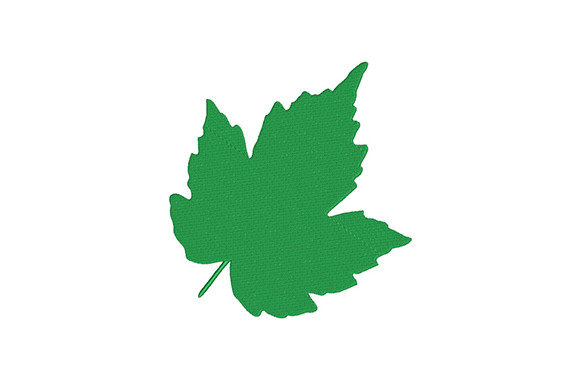
When I first opened the file for Gorgeous Green Leaves, my immediate reaction wasn't about stitch counts or file formats. It was about the mood. There is a specific kind of freshness that comes from a well-executed botanical design, and this one hits that mark right away. As someone who spends countless hours evaluating digital assets for client work and my own handmade shop, I look for designs that feel organic rather than stiff. This embroidery design brings a bright, natural energy that immediately suggests spring, summer, or any project needing a touch of life.
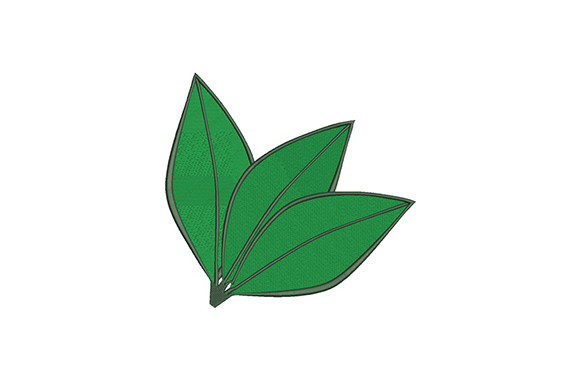
The description highlights that it is "bright green, fresh and beautiful," and in practice, that translates to a design with excellent visual weight. The leaves don't just sit there; they seem to have movement. For an embroiderer, that sense of flow is critical because it dictates how the thread will lay on the fabric. When you are looking at a design like this, you aren't just seeing shapes; you are anticipating the texture of the finished product. The layout feels balanced enough to stand alone on a tote bag but detailed enough to add sophistication to a baby onesie.
From Digital File to Finished Product
Let's talk about the real test: taking this design out of the computer screen and putting it under the needle. I recently considered using Gorgeous Green Leaves for a custom order of aprons intended for a local boutique kitchenware shop. The goal was to create a piece that felt artisanal yet modern. The potential here is significant because the design avoids the overly complex, cluttered look that often plagues machine embroidery files. Instead, it offers clean lines and a cohesive color story that relies on the varying shades of green to create depth.
In a scenario like this, where the end user is paying for quality, the stitching clarity matters immensely. If the fill stitches are too dense, the fabric might pucker, especially on lightweight cotton used for tea towels or aprons. However, based on the visual personality of Gorgeous Green Leaves, it appears optimized for smooth runs. The design likely utilizes a mix of satin stitches for the leaf edges and fill stitches for the body, creating a tactile experience that elevates the perceived value of the item. A customer holding a high-quality embroidered apron with such a crisp, natural motif is more likely to recommend the brand to their friends.
This versatility extends beyond home goods. Imagine applying this design to a sweatshirt for a small business giveaway. The bright green pops against navy, black, or even heather gray backgrounds. It creates an instant connection to nature, wellness, or gardening communities. For an Etsy seller, this is gold. It transforms a generic garment into a personalized gift that tells a story. The design acts as a subtle branding element without being loud or aggressive. It says, "We care about details," which is exactly what buyers want when they purchase handmade products.
Navigating Fabric and Stitch Density
While the aesthetic appeal is undeniable, practical application requires a designer's eye for detail. Not every surface is created equal, and Gorgeous Green Leaves demands respect for the material it is stitched onto. If you plan to use this for commercial embroidery projects, you must consider the fabric texture. On a rough, heavy denim, the fine details of the leaf veins might get lost, whereas on a smooth poplin or twill, the design will sing.
I also need to mention the importance of hoop size. While the file itself doesn't dictate the hoop, the physical constraints of your machine do. If you attempt to stitch this on a curved surface like a cap or a hat, the tension can become tricky. The curvature of the brim might distort the symmetry of the leaves if the stabilizer isn't perfectly aligned. For best results, flat surfaces like tote bags, pillow covers, and kitchen towels are ideal. These items allow the design to breathe and maintain its intended proportions.
There are also situations where caution is required. If you are working with thin, stretchy fabrics, the density of the stitches could cause puckering or distortion. In these cases, a strong cut-away stabilizer is non-negotiable. Similarly, if you are planning to use dark fabric, the bright green threads might not show up with the same vibrancy unless you choose a specific thread palette. Always test the contrast before committing to a full production run. A simple mockup in black and white can help you visualize how the negative space interacts with the positive space of the leaves.
Practical Notes for the Serious Crafter
Before you start stitching, there are several technical steps that separate a hobbyist from a professional. First, always test the design on scrap fabric. This is the golden rule of embroidery. You need to see how the thread colors interact with your specific fabric choice and how the stabilizer holds up during the wash cycle. If you are selling finished items, durability is key. A design that looks great initially but fades or unravels after two washes will damage your reputation as a small shop owner.
Check the stitch density carefully. High-density areas can be prone to thread breaks, especially if you are running the machine at high speeds. Reviewing the file structure allows you to adjust the speed or tension if necessary. Also, inspect the small details. Sometimes, tiny elements in a design can get lost in the stitching process, leaving gaps or muddy textures. Ensuring that the running stitches and fill stitches are distinct will make the final product look polished and intentional.
Licensing is another critical factor. If you intend to sell the finished products featuring Gorgeous Green Leaves, you must confirm the licensing terms. Some digital embroidery files are for personal use only, while others allow commercial sales. Failing to check this can lead to legal issues down the road. Make sure you have the rights to use the design in your craft business and that you understand any restrictions on the number of units you can produce.
Why This Design Fits Your Brand
Ultimately, the success of a handmade product comes down to presentation and emotional connection. Gorgeous Green Leaves offers a visual appeal that resonates with customers seeking authenticity. It fits perfectly into categories like nursery decor, holiday gifts, and wedding favors. The natural theme is timeless, meaning your inventory won't feel dated next season. Whether you are creating a patch for a denim jacket or a decorative accent on a pillow cover, this design adds a layer of professionalism that elevates your entire brand.
For those of you creating printable mockups or digital previews, this design provides a strong focal point. It helps potential buyers visualize the final result, increasing engagement and conversion rates. When a customer sees a clear, high-quality representation of the embroidery, they are more confident in their purchase. This confidence builds trust, which is the foundation of any successful creative entrepreneur's business.
As we wrap up this review, remember that Gorgeous Green Leaves is more than just a pattern of shapes; it is a tool for expression. It allows you to bring a bit of the outdoors into your indoor creations. By understanding its strengths and limitations, and by following proper preparation techniques, you can ensure that every project you undertake with this design meets the highest standards of craftsmanship. Whether you are a seasoned pro or just starting your journey in the world of machine embroidery, this design has the potential to become a staple in your collection of design assets.