Refreshing Lemon: A Designer's Review for Small Business Merch
As an experienced embroidery designer who has spent years crafting digital assets for brands ranging from local bakeries to boutique apparel lines, I know that choosing the right machine embroidery design is about more than just aesthetics. It is a strategic decision that impacts production costs, brand perception, and customer satisfaction. When I first encountered the Refreshing Lemon design, my immediate thought was not just about how pretty it looked, but how it could function as a powerful tool for small business owners looking to elevate their small business merch.
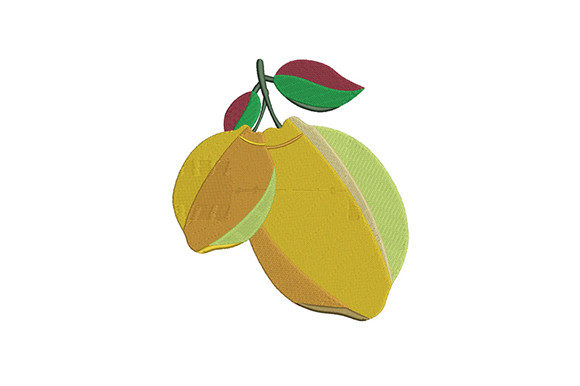
This gorgeous digital embroidery of a bunch of lemons promises to add a beautiful, bright, and refreshing accent to any creative design. But does it hold up under the scrutiny of commercial production? In this review, I am stepping into the role of a professional creator evaluating this asset for real-world applications like branded patches, staff uniforms, and product labels.
First Impressions: Personality and Brand Alignment
The moment you view the Refreshing Lemon file, the design exudes a sense of cheerful professionalism. The title suggests freshness, and the visual description confirms a vibrant energy that fits perfectly within the Food category while remaining versatile enough for broader applications. From a design standpoint, it feels friendly yet polished. It avoids being overly childish or purely decorative, striking a balance that works well for modern handmade brands and established boutiques alike.
For a bakery, a café, or a florist, this design acts as an instant visual cue for quality and natural ingredients. For a pet brand or a creative studio, it offers a playful contrast to more serious corporate imagery. The key here is versatility. A design that can transition seamlessly from a high-end tote bag to a casual apron is rare, yet this one seems capable of bridging that gap effectively. It possesses a classic charm that suggests durability and timelessness, essential traits for any item intended to be worn or used frequently.
Real-World Applications for Commercial Projects
The true test of any embroidery file lies in its execution on physical goods. Let us imagine a scenario where a local coffee shop wants to launch a line of branded merchandise. How would Refreshing Lemon perform?
- Embroidered Patches: This design is a prime candidate for creating iron-on or sew-on patches. The clustered nature of the lemons allows for a compact shape that reads clearly even at smaller sizes. These patches can serve as unique identifiers on denim jackets, beanies, or backpacks, adding a touch of artisanal flair to mass-produced items.
- Staff Uniforms and Aprons: For a busy kitchen or a retail floor, visibility and comfort are paramount. Placing this design on the chest of a work shirt or prominently on the bib of an apron creates a cohesive team look. The bright colors naturally draw the eye, making staff members approachable and memorable to customers.
- Cap Embroidery and Tote Bag Design: Caps require designs that sit well on curved surfaces. The organic flow of the lemon bunches should adapt nicely to the crown of a cap without losing definition. Similarly, for a tote bag design, this motif adds a pop of color that complements plain canvas backgrounds, turning a simple utility item into a walking advertisement for your brand.
- Product Packaging and Gifts: Beyond clothing, consider using this as a subtle accent on product packaging or as a tag for handmade soaps, candles, or baked goods. It elevates the perceived value of the handmade product by signaling attention to detail.
In every instance, the goal is to enhance brand identity. When a customer sees this consistent, high-quality imagery across their uniform, their hat, and their shopping bag, it builds trust and recognition. It signals that the business cares about presentation, which directly influences buyer engagement.
Strategic Considerations and Potential Pitfalls
While the potential is high, a professional must exercise caution. Not every surface is suitable for every design. If you plan to use Refreshing Lemon on small patch sizes, you must verify the stitch density. High stitch counts in small areas can lead to fabric puckering, especially if the stabilizer is not chosen correctly. Always inspect the spacing between elements; crowded details may blur together when stitched on textured fabrics like heavy cotton twill or wool blends.
Curved surfaces, such as the front of a cap, present another challenge. The design needs to be tested to ensure the outlines remain crisp and do not distort around the curve. Furthermore, if your target audience includes dark uniforms, you must carefully evaluate the thread colors. Lighter threads against dark fabric often require additional underlay stitches, which can increase the risk of needle breakage or fabric damage if not managed properly.
Frequent washing is also a factor. For items like aprons or work shirts that will see daily laundering, the integrity of the stitch density is crucial. Designs with too much fine detail may snag or fray over time. Ensure that the design is robust enough to withstand the rigors of commercial cleaning cycles before committing to a large production run.
Designer Notes for Production Success
To ensure your commercial embroidery project is a success, I recommend following these practical steps before cutting fabric or ordering blanks:
- Test in Black and White: Convert the digital file to grayscale to check the contrast and readability. This helps identify if the design relies too heavily on color gradients rather than structural stitching.
- Check Small Size Viability: Create a mockup at the intended patch size (e.g., 2 inches). Does the lemon bunch lose definition? If so, you may need to simplify the digitization or adjust expectations.
- Review Thread Color Contrast: Select thread colors that pop against your specific fabric choice. High contrast ensures the design stands out and looks premium.
- Inspect Spacing and Hoop Size: Confirm that the design fits comfortably within your standard hoop size. Overfilling a hoop can cause registration issues where the image shifts during stitching.
- Test on Real Fabric: Never guess. Stitch a sample on the actual material you intend to use. Check for puckering, thread breaks, and fabric distortion.
- Use Proper Stabilizer: The foundation is key. Use the appropriate cut-away or tear-away stabilizer to support the weight of the embroidery, especially for stretchy fabrics.
- Create a Printable Mockup: Before sending files to production, generate a printable mockup for client approval. This visualizes the final result and prevents costly mistakes.
- Compare Design Assets: Place this design beside your other branding elements to ensure visual consistency. Does the style match your logo? Is the level of detail comparable?
- Confirm Commercial Licensing: Most importantly, verify that you have the correct license to use this digital embroidery file for resale items. Ensure you are cleared for custom apparel production.
The Refreshing Lemon design offers a fantastic opportunity to inject personality into your design assets. By treating it as a strategic component of your brand rather than just a decoration, you can create finished products that resonate with customers and stand the test of time. Whether you are launching a new line of embroidered patches or updating your staff's apron embroidery, taking the time to evaluate and test this design will pay dividends in the quality of your final output.
Remember, the difference between a good product and a great one often lies in the details. With careful planning and professional execution, Refreshing Lemon can become a signature element of your brand's visual language, helping you connect with your audience on a deeper, more personal level.