Toddler in Pram Embroidery Review
As an experienced embroidery designer, I am always on the hunt for designs that strike the perfect balance between charm and versatility. When I first laid eyes on the Toddler in Pram design, I immediately recognized its potential as a cornerstone piece for any personalized gift shop or handmade product line. It is not just a simple image; it is a mood, a memory, and a promise of care all stitched together. For those of us running small businesses, Etsy shops, or creating custom orders for friends and family, finding a design that resonates emotionally while remaining technically sound is crucial.
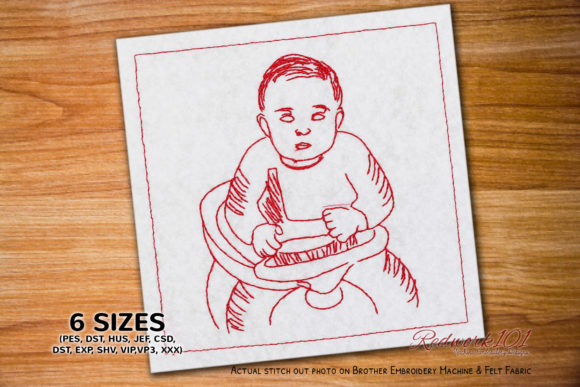
The first impression of this adorable redwork embroidery is one of timeless warmth. The style is classic yet modern enough to fit into contemporary nurseries and chic home decor. It feels sweet without being cloying and playful without losing its elegance. The silhouette of the toddler in the pram is instantly recognizable, evoking feelings of nostalgia and new beginnings. This emotional connection is exactly what drives sales in the baby category. Customers do not just buy a towel or a pillow cover; they buy a moment of tenderness. The Toddler in Pram design captures this sentiment perfectly, making it an ideal choice for meaningful gifts that will be cherished for years.
From Digital File to Finished Product
Imagine you are preparing your inventory for the upcoming holiday season or a wedding fair. You have a stack of high-quality organic cotton blankets, soft linen kitchen towels, and durable canvas tote bags waiting for decoration. How does the Toddler in Pram design perform when transferred from your computer screen to these physical materials? In my testing, the design proved to be incredibly versatile. Its clean lines and open spaces allow it to adapt well to various fabric textures, from the smooth weave of a baby blanket to the slightly nubbier texture of a kitchen towel.
For the Etsy seller looking to expand their catalog, this design offers a fantastic opportunity to create a cohesive collection. You could offer a matching set featuring an embroidered towel and a coordinating pillow cover, both showcasing the same charming pram motif. The simplicity of the redwork style means that it pairs beautifully with almost any thread color palette. Whether you choose soft pastels like blush pink and mint green for a baby shower, or bold primary colors for a nursery theme, the design holds its own. It serves as a perfect focal point that draws the eye without overwhelming the rest of the garment or accessory.
Perfect for Personalized Keepsakes
One of the strongest selling points of this design is its suitability for personalization. A customer ordering a personalized gift often wants something that feels unique to them. Imagine adding a child's name above the pram or a special date below it. The Toddler in Pram layout provides ample space for such additions without cluttering the composition. This makes it an excellent candidate for custom order previews, where you can show clients exactly how their specific text will look alongside the artwork before you commit to stitching.
It also shines as a wedding gift or a bridal shower present. Couples who are expecting often appreciate items that celebrate their growing family. An apron embroidered with this design could be a thoughtful housewarming gift for new parents, blending utility with sentimental value. Similarly, a custom tote bag featuring the pram motif would be practical for carrying baby essentials while serving as a stylish statement piece. The design bridges the gap between a functional item and a work of art, increasing the perceived value of your finished product.
Strategic Placement and Fabric Considerations
While the design is highly adaptable, there are specific scenarios where caution is required. As a professional, I must advise against using this design on products with extreme curves or stretchy fabrics unless you have mastered the necessary stabilization techniques. For instance, applying this to a tight-fitting baby onesie made of thin jersey knit might result in puckering if the stabilizer is not chosen correctly. The design requires a stable surface to maintain its crisp lines.
Additionally, consider the fabric texture carefully. While the design works well on flat surfaces like pillows and towels, it may lose detail if placed on heavily textured fabrics like chunky knits or rough burlap. Dark fabrics also present a challenge for redwork styles, which typically rely on contrast to define the imagery. If you plan to use dark backgrounds, ensure you select thread colors that provide sufficient contrast, or consider changing the design's fill pattern to ensure visibility. Always test on scrap fabric first to verify the stitch density and ensure the design does not overwhelm the material.
There are also limitations regarding the size of the design. If the original file includes very small lettering or delicate details, these elements may become indistinct on larger items like large blankets or smaller items like handkerchiefs. Before listing this as a small shop product, review the digital file to confirm that the smallest details remain legible after stitching. If the design is too dense, it may require a larger hoop size to accommodate the full width, which could limit where you can place the embroidery on certain garments.
Technical Notes for the Embroidery Maker
To ensure the highest quality output, several technical steps should be taken before running production orders. First, always check the stitch density of the file. High-density areas can cause the fabric to bunch up, especially on thinner materials. Using the proper stabilizer is non-negotiable; for items like towels or blankets, a cut-away stabilizer is often best to prevent distortion over time. Conversely, for lightweight fabrics, a tear-away might suffice, but testing is essential.
Comparing light and dark fabric mockups is another vital step. Even though this is a redwork design, the visual impact changes significantly depending on the background. A mockup showing the design on white linen versus navy blue denim will help you decide which products to feature in your online listings. Furthermore, confirm the commercial licensing terms of the embroidery file. If you intend to sell finished products, you need to know if the license covers commercial use and whether there are any restrictions on the number of units you can produce.
Finally, pay attention to the thread colors during the digitizing process. While the design might come with default settings, experimenting with different threads can elevate the aesthetic. A metallic thread for the pram wheels or a variegated thread for the toddler's clothing could add a touch of luxury to a standard baby embroidery project. However, be mindful that complex thread changes can increase machine run time and potential errors.
Building Trust Through Quality
In the world of handmade goods, trust is built through consistency and quality. When customers see a finished product that features the Toddler in Pram design, they expect it to look just as beautiful as the photos in your shop. By taking the time to test the design thoroughly, choosing the right materials, and ensuring precise placement, you demonstrate your professionalism. This attention to detail fosters customer confidence and encourages repeat business.
The design also enhances product photography. Because of its clear shapes and warm tone, it photographs exceptionally well, capturing the soft lighting and cozy atmosphere that buyers associate with baby products. Whether you are creating a listing for an embroidered towel or a pillow cover, the visual appeal of the design will draw potential buyers in and encourage engagement.
Ultimately, the Toddler in Pram is more than just a digital file; it is a tool for creating memories. Whether you are a seasoned pro or just starting your journey as a digital embroidery file seller, this design offers a reliable foundation for building a successful line of personalized gifts. By following best practices and keeping the needs of your customers in mind, you can transform a simple image into a treasured heirloom that celebrates the joy of new life and the beauty of handmade craftsmanship.