Chicken Footprint Review for Craft Fairs
As an experienced embroidery designer preparing my booth for the upcoming weekend craft fair, I am constantly evaluating new machine embroidery design assets to see if they will truly resonate with handmade shoppers. Today, I am putting a specific piece through its paces: the Chicken Footprint. The description paints it as a "cute" and "fun" creation that serves as a wonderful accessory for any design. But does it hold up under the bright lights of a market table? Does it translate well from a digital screen to a physical product? This review breaks down exactly how this embroidery file performs when turned into real-world goods.
First Impressions and Visual Appeal
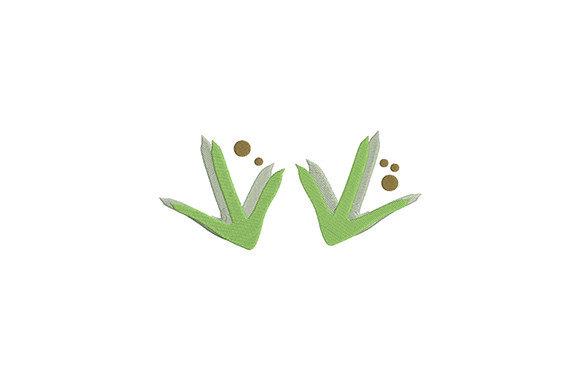
When I first opened the preview of the Chicken Footprint, the immediate feeling was one of rustic charm mixed with playful whimsy. It is not overly elegant or strictly modern; instead, it leans heavily into the farmhouse aesthetic that is currently dominating the handmade market. For a cottage core enthusiast or a lover of country living, this design hits the right note immediately. It feels soft yet distinct, perfect for adding a touch of personality without overwhelming the fabric.
The title suggests a focus on creativity, which implies the design is versatile enough to be scaled or repositioned. In a sea of generic patterns, a simple footprint offers a narrative—it tells a story of a morning stroll in the barnyard. This makes it highly effective for attracting attention at a busy craft fair product display. It is the kind of detail that makes a customer pause and smile, asking, "Where did you get that?"
Product Performance Across Categories
To determine the true value of this design, I simulated several production scenarios common for Etsy sellers and boutique makers. Here is how the Chicken Footprint holds up across different categories:
- Tote Bag Design: This is arguably the strongest application. A single footprint centered on a canvas tote bag looks chic and understated. However, if you want to create a pattern repeat, the design allows for a scattered layout that turns a plain bag into a statement piece. It photographs exceptionally well for online listings because the contrast against natural cotton fabrics is high.
- Apron Embroidery: For kitchen-focused vendors, placing this near the chest pocket or hemline of a linen apron adds a delightful, homey touch. It signals that the wearer enjoys cooking and perhaps raising their own chickens. It works best as a small accent rather than a massive focal point.
- Tea Towel Embroidery: Textured towels can sometimes hide intricate details, but a footprint is generally bold enough to survive the weave. It fits perfectly in the corner of a tea towel, offering a subtle nod to farm life that complements floral or checkered patterns.
- Embroidered Patch: If you are selling detachable patches, this design is ideal. It can be easily applied to denim jackets, beanies, or backpacks. The simplicity of a footprint means it rarely loses clarity even when cut out and finished with a tight edge.
- Caps and Fabric Pouches: These items present a challenge due to curvature. On a cap, the design needs to be compact to avoid distortion. A small pouch made of felt or canvas would showcase the Chicken Footprint beautifully, making it a great low-cost impulse buy for a booth.
Selling Strategy and Production Practicality
From a business perspective, the success of any handmade product relies on repeatability and ease of production. The Chicken Footprint excels here. Because the motif is singular and focused, it requires less time to stitch than complex scenes involving multiple animals or landscapes. This efficiency allows you to produce batches faster, increasing your profit margin during peak sales seasons.
For digital sellers creating printable mockups, this design is a goldmine. You can easily visualize it on various backgrounds to test color combinations before committing to production. When photographing these items for an Etsy listing, the footprint provides a clear subject that draws the eye immediately. It creates a sense of "whimsical utility," which is a powerful selling point for customers looking for gifts that feel personal and unique.
However, consider the visual weight. Is it too small to be seen from a distance? If placed on a large pillow cover, a tiny footprint might get lost. In those cases, scaling it up is necessary. Conversely, on a small keychain, ensure the lines remain crisp. The goal is to maintain the "cute" factor described in the product info while ensuring the stitching remains legible.
Critical Use Notes and Technical Considerations
Before running a full production run, there are technical hurdles every designer must anticipate. Even a simple design like this requires careful handling to ensure a premium finish.
- Dense Stitch Areas: Check the density of the fill stitches within the footprint. If the area is too dense, the fabric may pucker, especially on lightweight materials like tea towels. Always verify the stitch density in your software.
- Small Details: While footprints are generally simple, ensure the toe marks are not so fine that they disappear on textured fabrics. On thick terrycloth or heavy denim, very thin lines can get swallowed by the texture.
- Fabric Texture: The interaction between the thread and the fabric is crucial. A smooth cotton twill will show the design clearly, whereas a rough burlap might obscure the finer details of the toes.
- Curved Surfaces: When embroidering on caps, the curve can distort the shape. You may need to adjust the hoop placement or use a specialized cap frame to keep the footprint symmetrical.
- Dark Fabric: If you plan to embroider this on dark colors, ensure you have a stabilizer that supports the thread well. You might also need a top layer of water-soluble stabilizer to prevent the thread from sinking into the fabric weave.
Designer's Checklist for Success
To ensure your Chicken Footprint products sell well and reflect high-quality craftsmanship, follow these essential steps before hitting the market:
- Test on Scrap: Never start with your final product. Run the design on scrap fabric to check tension and alignment.
- Check Thread Contrast: Ensure the thread colors pop against the base fabric. A yellow footprint on a white background might lack definition; consider a darker shade or a contrasting outline.
- Confirm Hoop Size: Verify that the hoop size required for the design matches your machine capabilities and the dimensions of your target product.
- Select the Right Stabilizer: Using the wrong stabilizer can ruin a good design. For stretchy fabrics, a cut-away stabilizer is usually best to prevent warping over time.
- Create Real Mockups: Don't rely solely on digital renders. Create at least one physical sample to photograph. Customers trust what they can see and touch.
- Verify Licensing: Before selling finished goods, confirm the commercial licensing terms of the digital embroidery file. Some licenses restrict the number of units you can sell.
In conclusion, the Chicken Footprint is a charming addition to any commercial embroidery collection. It bridges the gap between functional home goods and artistic expression. Whether you are selling tote bags, aprons, or small accessories, this design has the potential to become a bestseller at your next booth. Just remember to pay attention to the technical details—fabric choice, stabilizer type, and thread selection—to ensure your finished product looks as professional as it feels.