Yellow Duck Bird: A Designer's Review for Craft Fairs
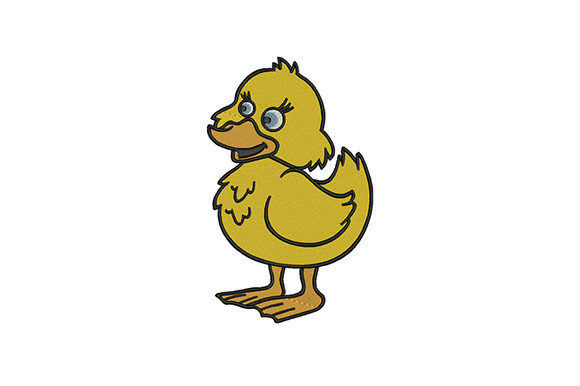
As an experienced embroidery designer preparing for a busy weekend craft fair, I am constantly evaluating new machine embroidery design files to see if they have the potential to become best-selling items. Today, I am reviewing a specific piece titled Yellow Duck Bird. The description paints a picture of something jolly and versatile, promising to stitch out perfectly on bathroom decorations, towels, children's clothes, and farm decor. But does it hold up under the scrutiny of a real-world booth display? Can it compete with other handmade goods in a crowded market? Let's dive into a professional review of how this Birds category item performs as a commercial product.
The First Impression: Jolly and Versatile
When I first look at the concept of a "jolly" yellow duck bird, my mind immediately goes to a blend of farmhouse charm and playful modernity. For a handmade product intended for a general audience, this is a winning combination. It feels soft, approachable, and undeniably cute without being overly childish. The color yellow naturally draws the eye, making it an excellent candidate for catching attention from across a table. Unlike stark black or white designs, this bright hue suggests warmth and happiness, which aligns perfectly with the emotional connection buyers seek when purchasing gifts or home accents.
This design does not feel rigid or formal. Instead, it screams farm decor meets kitchen towel embroidery. It has the potential to be a focal point on a tote bag or a subtle accent on a small pouch. The versatility mentioned in the description is key; a design that can transition seamlessly from a child's onesie to a guest bathroom towel offers incredible value to the seller. It allows you to create a cohesive collection where customers can buy matching items for different rooms in their house.
Product Potential: Where Will It Shine?
In a typical craft fair setup, variety is essential. I imagine setting up a table filled with various textiles, and here is where Yellow Duck Bird would stand out:
- Tote Bags and Market Bags: A large version of this design on a canvas tote bag makes for an instant impulse buy. It serves as a functional accessory that also acts as a walking advertisement for your brand. The bright yellow contrasts beautifully against natural canvas or navy blue fabric.
- Kitchen Towels and Aprons: This is likely the highest volume seller. Everyone loves a cute kitchen towel. The design works well as a central motif on a tea towel or as a repeating pattern down the hem of an apron. It fits the current trend of "cozy kitchens."
- Caps and Patches: For a more compact application, this design could be shrunk slightly (if the file permits) to work on a baseball cap or as an iron-on patch. These are high-margin items that are easy to stock.
- Pillow Covers and Small Pouches: These smaller items allow for higher pricing per unit due to the perceived effort. A pillow cover featuring this jolly bird adds a pop of color to a nursery or a sunroom.
For an Etsy seller or boutique maker, having this design available as a digital asset allows for endless possibilities. You can create printable mockups showing the bird on various backgrounds before you even cut the fabric. This helps visualize how the final product will look to online shoppers.
Production Practicality and Visual Appeal
From a production standpoint, the success of a commercial embroidery item often depends on how easy it is to stitch consistently. When evaluating the visual appeal, I need to consider if the design photographs well. In a busy craft fair environment, photos taken by customers or social media influencers are crucial. A design with clear lines and bold colors like yellow tends to photograph better than intricate, fine-line details that might get lost in low light.
If the design is simple enough, it becomes highly repeatable for batch production. If you are selling 50 identical towels, you want a design that runs smoothly without constant adjustments. However, we must be careful about the stitch density. If the bird is too dense, it might look puffy or lose definition on thinner fabrics. Conversely, if it is too sparse, it might look cheap on heavy denim or thick terry cloth.
Careful Use Notes: What to Watch Out For
Before committing to a full run of products, there are several practical considerations regarding the embroidery file. First, check the tiny details. Does the duck have small eyes or beak features that might disappear if stitched on a curved surface like a cap? Curved surfaces can distort the image, so the design needs to be robust enough to handle that curvature without losing its character.
Fabric texture is another major factor. While the description mentions towels, the thickness of the terry loops can sometimes hide fine stitches. On dark fabrics, the yellow thread might require a heavy underlay or multiple passes to ensure opacity, which increases production time. If the design includes any text or very small lettering alongside the bird, verify that it remains legible. Tiny text often gets swallowed by the fabric grain or the tension of the machine.
Also, consider the hoop size. If the design is large, you will need a larger hoop, which limits the types of garments you can embroider. Ensure the file format matches your machine capabilities and that the digitizing accounts for the stretch of the fabric you plan to use.
Designer's Checklist for Success
To ensure Yellow Duck Bird translates from a digital file to a premium finished product, follow these steps:
- Test on Scrap Fabric: Always run a test on the actual material you intend to sell. Check how the thread sits on the fabric and if the stabilizer holds it flat.
- Check Thread Contrast: Ensure the yellow thread stands out against your chosen background colors. Sometimes a lighter yellow requires a darker backing thread to make the pop.
- Review Spacing: Confirm that the design fits within your standard hoop dimensions and leaves enough room for branding tags or seams.
- Inspect Stitch Density: Look closely at the test run. Are there gaps? Is the fabric puckering? Adjust the density settings if necessary.
- Create Real Mockups: Don't rely solely on digital images. Take photos of the actual physical sample to show potential buyers.
- Confirm Licensing: Before selling finished products, double-check the commercial licensing terms of the digital embroidery file. Ensure you are permitted to resell the items made from this design.
Final Verdict: A Booth Star
Ultimately, Yellow Duck Bird has the makings of a standout craft fair product. Its jolly nature and versatility make it a safe yet exciting addition to any small shop product line. It appeals to parents, home decorators, and gift buyers alike. By paying attention to the technical details like thread colors, stabilizer choice, and fabric selection, you can turn this simple design into a high-value item that drives sales.
Whether you are hanging these on a rack or displaying them on a table, the visual appeal of this design will likely engage buyers instantly. It represents the heart of the handmade movement: creating something unique, useful, and beautiful. With the right execution, this embroidery design will not just sit on a shelf; it will find a home in many households, bringing a touch of jolly yellow wherever it lands.