Review: Hanging Bird House Embroidery for Real Projects
As an experienced embroidery designer who frequently sources design assets from Creative Fabrica, I approach every new download with a mix of excitement and caution. When I first encountered the Hanging Bird House design, I immediately saw its potential for specific commercial applications. It is not just another generic pattern; it possesses a delicate character that stands out in the crowded marketplace of handmade goods. This review focuses on how this machine embroidery design performs when moved from the digital screen to real-world projects like tote bags, nursery decor, and boutique merchandise.
First Impressions and Visual Appeal
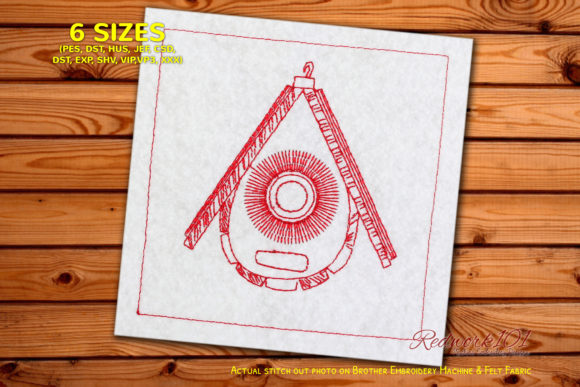
The moment you open the file, the Hanging Bird House reveals itself as a piece of art rather than a simple motif. The description notes that it is a "gorgeous birdhouse redwork embroidery," and this aesthetic is its strongest selling point. Redwork, characterized by single-color outlines often resembling running stitches, offers a timeless, vintage charm that appeals to modern crafters and Etsy sellers alike. The design feels delicate and beautiful, suggesting it was crafted with precision in mind.
One feature that caught my eye is the optional Box Stitch mentioned in the product details. This element adds depth without overwhelming the primary subject. In the world of embroidery files, options are crucial because they allow the designer to adapt the look to different fabrics and project scales. Whether you want the clean, minimalist outline or the added texture of the box stitch, this design provides flexibility. The visual mood is cozy and inviting, making it perfect for animal-themed projects or seasonal gifts.
Real-World Application in Commercial Projects
I evaluated this Creative Fabrica embroidery file specifically for its viability in a professional setting. Imagine creating a line of handmade products for a craft fair or an online shop. Where does the Hanging Bird House fit best?
- Tote Bag Design: The size and simplicity of the design make it ideal for canvas totes. It adds a touch of whimsy without dominating the bag, allowing customers to pair it with other items easily.
- Sweatshirt Embroidery: For custom apparel, the clean lines work beautifully on fleece or cotton blends. It creates a subtle focal point on the chest or back of a hoodie.
- Kitchen Towels and Aprons: The rustic nature of the birdhouse theme pairs perfectly with kitchen aesthetics. A single embroidered birdhouse on a flour sack towel can elevate a standard item into a premium gift.
- Baby Blankets and Nursery Decor: The soft, non-threatening imagery makes it suitable for baby items. It serves as a gentle reminder of nature and outdoor play, fitting well into gender-neutral nurseries.
- Embroidered Patches: With careful stabilizer selection, this design could be adapted for iron-on patches, adding a unique flair to denim jackets or beanies.
In each of these scenarios, the Hanging Bird House acts as a high-quality digital embroidery file that enhances the perceived value of the finished product. Customers buying handmade goods are looking for quality and uniqueness, and this design delivers both.
Technical Considerations and Stitching Performance
While the visual appeal is undeniable, the true test lies in the execution. As a designer, I always consider how a design interacts with different materials before committing to a production run. Here is what you need to know about using this design effectively.
Hoop Size and Detail Level
The prompt mentions the design is delicate. This implies that the stitch count might be moderate, but the detail density requires attention. If you are working with small hoop sizes, such as those used for caps or small patches, you must ensure the design fits within the stitching area without losing definition. Always check the hoop size specifications provided on the product page before starting. If the design includes tiny lettering or fine lines, testing on scrap fabric is essential to ensure the machine can render them clearly.
Fabric and Stabilizer Choices
The versatility of the design means it can handle various fabrics, but preparation is key. For stretchy fabrics like t-shirts or sweatshirts, a cut-away stabilizer is usually necessary to prevent puckering. For woven items like aprons or pillow covers, a tear-away might suffice depending on the stability required. The design features satin stitch elements likely used for the borders, which can sometimes cause thread breaks if the tension is too tight or the fabric is too thick. Review the stitch density carefully; if the fill areas are too dense, the fabric may become stiff, affecting the drape of the final garment.
Thread Colors and Contrast
Since this is a redwork-style design, thread color contrast is critical. On light fabrics, traditional red threads create a classic look. However, on dark fabrics, you will need to use lighter colors or add a backing layer to ensure the design pops. The optional box stitch allows for creative experimentation with contrasting thread colors to define the edges further. Always compare light and dark fabric mockups before mass-producing your handmade product.
Impact on Product Value and Brand Consistency
Using high-quality designs like the Hanging Bird House directly influences buyer trust. In the era of mass-produced goods, customers are willing to pay more for items that show care and craftsmanship. A crisp, well-executed embroidery design signals professionalism. When you photograph your finished items for printable mockups or social media, the clarity of the stitching becomes part of your brand story.
This design supports a cohesive brand identity. Whether you are selling seasonal gifts or year-round home decor, the consistent style of the birdhouse motif helps customers recognize your work. It also enhances giftability; a personalized gift featuring a charming birdhouse feels thoughtful and personal, increasing customer engagement and repeat business.
Practical Steps Before You Start
Before you begin stitching your next order, there are several practical steps to ensure success. First, inspect the file details thoroughly on the Creative Fabrica product page. Confirm the file formats and licensing terms, especially if you plan to sell the finished items commercially. Some licenses restrict the number of units you can produce, so understanding these terms is vital for any commercial embroidery venture.
Always perform a test run. Use scrap fabric that matches your final material in weight and weave. Check the thread color contrast under natural lighting conditions. Inspect small details after stitching to ensure no gaps exist in the satin stitches or running stitches. If the design includes the optional box stitch, decide early whether it adds enough value to justify the extra time and thread cost for your specific project.
Finally, remember that while the design is beautiful, the finish depends on your technique. Proper stabilization, correct tension settings, and high-quality thread are just as important as the design itself. By taking these precautions, you ensure that the Hanging Bird House remains a reliable asset in your collection of design assets.
Ultimately, the Hanging Bird House is a strong candidate for anyone looking to expand their inventory with charming, nature-inspired pieces. Its delicate beauty and flexible options make it a worthy addition to any embroidery studio, ready to transform plain fabrics into treasured keepsakes.