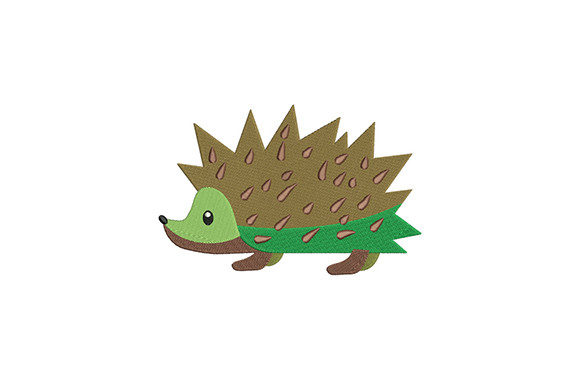
Pink and Red Porcupine: A Real-World Embroidery Review
As a designer who has spent years turning digital files into tangible handmade products, I approach every new embroidery file with a mix of excitement and skepticism. The market is flooded with cute designs, but few actually translate well from the screen to the fabric without losing their charm or causing technical headaches. Today, I am putting the Pink and Red Porqupine design through its paces. This piece falls under the Woodland Animals category, promising a burst of color and personality for any project that needs a touch of nature.
My goal isn't just to describe what it looks like in a preview window, but to analyze how it performs when stitched onto real materials for actual clients. Whether you are an Etsy seller looking to expand your catalog or a small business owner creating custom apparel, understanding the practical application of this design is crucial before you commit to production.
The First Impression: Mood and Visual Personality
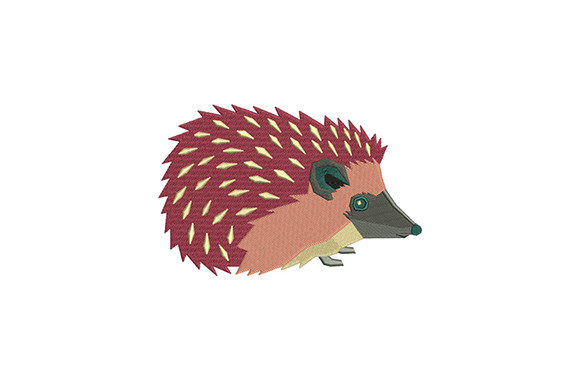
When I first opened the file, the immediate takeaway was the bold use of color. The title Pink and Red Porcupine suggests a vibrant, almost whimsical creature rather than a realistic depiction of the animal. In the world of machine embroidery, color selection dictates the mood, and here, the combination creates a playful, energetic vibe. It feels less like a serious wildlife study and more like a character designed for fun projects.
The shape appears compact yet detailed enough to hold interest. For a digital product seller, this balance is key; if the design is too sparse, it looks unfinished on a finished product, but if it is too dense, it can become stiff and uncomfortable against the skin. This design seems to strike a happy medium, utilizing a mix of stitch types to create texture. I imagine the quills would benefit from a specific fill technique to give them that spiky definition without overwhelming the rest of the body.
This is not a subtle design. It demands attention. That makes it perfect for statement pieces where you want the viewer to stop and say, "Look at that!" It naturally belongs in projects that celebrate joy, creativity, and a bit of quirky style. It fits seamlessly into the handmade product aesthetic that thrives on unique, eye-catching details.
Real-World Application: Where Does This Design Shine?
To truly understand the value of Pink and Red Porcupine, I need to visualize it on actual items. Let's imagine a scenario: I am preparing a batch of custom embroidered tote bags for a local craft fair. These bags will be sold as eco-friendly accessories featuring adorable nature themes. The tote bag design needs to be durable and visible. Placing the porcupine in the center of a canvas tote would make it the focal point. The bright pink and red tones would pop beautifully against a neutral beige or white background, instantly elevating the perceived value of the item.
But the utility doesn't stop there. Consider the sweatshirt embroidery market. Parents love personalized gifts for children, and a woodland theme is perennially popular. Stitching this design onto a baby onesie or a toddler's hoodie could be a hit. The softness of the knit fabric usually accommodates embroidery well, provided the stitch density isn't too heavy. However, I would advise placing it on the chest area rather than the back, as the design's color intensity works best in a central location.
Another strong contender for this design is the embroidered patch. If you are a maker selling patches for denim jackets or backpacks, the distinct outline of the porcupine makes it ideal for applique or high-density satin work. It has a clear silhouette that reads well even from a distance. Furthermore, for kitchen towel or apron designs, this adds a splash of color to a utilitarian item, making it a great gift for holidays or housewarmings.
I also see potential in the holiday embroidery sector. While not strictly Christmas-themed, the red tones could easily fit into winter or festive collections. Imagine a set of matching pillow covers for a nursery, featuring a collection of woodland creatures where the Pink and Red Porcupine is the star. It brings a modern twist to traditional nursery decor, appealing to parents who want something fresh and contemporary.
Where to Exercise Caution: Technical Limitations
While the design is charming, no single file is a magic bullet for every situation. As a professional reviewer, I must highlight where this design might struggle. One major consideration is the hoop size. If the design includes intricate details in the face or paws, attempting to stitch it in a very small hoop might result in lost definition. Always verify the dimensions before cutting your fabric.
Fabric choice is equally critical. Textured fabrics, such as heavy wool or bouclé, can obscure the fine lines of the porcupine's quills. Similarly, thin fabrics like silk or lightweight cotton may pucker if the stabilizer support is insufficient. Stretchy fabrics require extra care; while possible, they demand a high-quality cut-away stabilizer to prevent distortion during the washing process.
Dark fabrics present another challenge. The description highlights pink and red threads. On a black or navy background, these colors might lose some vibrancy unless the design includes a generous amount of underlay or a contrasting border. I recommend testing the thread colors against your intended background before committing to a large run. Additionally, curved surfaces like caps can be tricky. If the design is too wide, it might not follow the curvature of the hat correctly, leading to bunching at the edges.
Finally, consider the longevity of the finished product. Items that undergo frequent washing, such as baby clothes or kitchen towels, need robust stitching. If the design relies heavily on long running stitches, they may snag or unravel over time. Always inspect the small details to ensure they are secure.
Designer Notes for Professional Results
If you are ready to incorporate Pink and Red Porcupine into your workflow, here are my essential tips for success. First and foremost, always test the design on scrap fabric. This simple step reveals issues with tension, thread breakage, or registration errors that you don't want to discover on a customer's order.
Check the thread colors carefully. The contrast between the pink and red elements should be distinct. If the shades are too similar, the design may look muddy. You might need to adjust the thread palette to ensure clarity. Review the stitch density as well; if the fill areas are too packed, the fabric could become stiff and unwearable. Adjusting the density settings in your software can often improve the hand-feel of the final piece.
Confirm your hoop size matches the design dimensions. Using a hoop that is too small forces the machine to reposition, which can lead to misalignment. Inspect small details closely, especially around the eyes and nose, to ensure they are not lost in the stitching. Testing the design in black and white mockups can also help you visualize the structure and flow of the stitches independent of color.
Compare how the design looks on both light and dark backgrounds to determine your best use cases. Use proper stabilizer for the specific fabric type you are working with; this is non-negotiable for a professional finish. Before selling, check whether the design license allows for commercial use. Many digital embroidery files come with restrictions on the number of finished items you can sell or require a separate commercial license.
Final Thoughts on Value and Appeal
The Pink and Red Porcupine design offers a delightful addition to any embroidery project. Its unique color scheme and friendly character make it stand out in a sea of generic patterns. For Etsy sellers and small shop owners, it provides a versatile asset that can be adapted for various product lines, from apparel to home decor. When executed correctly, it enhances brand consistency and boosts buyer engagement by offering a high-quality, visually appealing product.
However, success depends on preparation. By respecting the technical limitations and following best practices for stabilization and stitching, you can turn this digital file into a stunning physical reality. Whether you are creating a personalized gift for a loved one or building a line of boutique products, this design has the potential to be a standout piece in your portfolio. Just remember: the difference between a good design and a great one lies in the execution.