Reviewing Hanukkah for Your Craft Fair Booth
As an experienced embroidery designer who has spent countless weekends setting up booths at local craft fairs and online handmade markets, I know that the difference between a design that sits on a shelf and one that sells out in minutes often comes down to visual impact and practical execution. Today, I am reviewing a specific Hanukkah design intended for holiday-themed products. When you are preparing your table display with embroidered tote bags, aprons, tea towels, patches, caps, small pouches, pillow covers, and giftable handmade items, every stitch needs to work hard to catch the eye of a passerby.
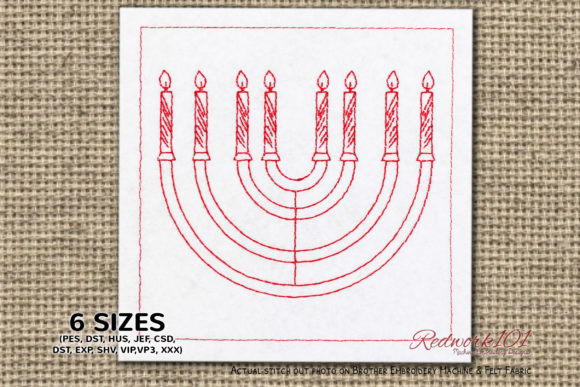
The product description highlights that this is a high-quality embroidery design that will add a festive look to any fabric. It mentions an optional box stitch and notes the color of the outer box. While these details are helpful, my job as a reviewer is to look past the marketing copy and assess how this machine embroidery design actually performs in the real world of production and sales. Does it feel bold, cute, farmhouse, or elegant? Can it withstand the rigors of batch production for a busy holiday season?
First Impressions and Visual Appeal
When I first laid eyes on the concept of this Hanukkah piece, the mention of an optional box stitch immediately suggests versatility. In the world of craft fair products, flexibility is key. A design that can stand alone as a focal point or sit within a decorative border appeals to a wider range of customers. The description implies a clean, structured aesthetic. For a handmade shop owner or Etsy seller, this feels like a premium option that elevates simple items into gift-worthy pieces.
I imagine this design not just as a generic holiday symbol, but as a centerpiece for your booth. On a table covered in linens, a well-stitched embroidered patch or a crisp design on a cotton tea towel draws attention better than anything else. The "festive look" promised by the description translates to warmth and tradition, which are exactly what customers are seeking during the holidays. Whether you lean towards a modern, minimal look or a more rustic, traditional vibe, the inclusion of the outer box allows you to frame the art beautifully.
Product Versatility: Where This Design Shines
One of the most critical questions I ask when evaluating a new embroidery file is: where does it sell best? For this Hanukkah design, the potential is vast across various categories of handmade products.
- Tote Bags: A tote bag design featuring this motif would be a top seller. The sturdy canvas provides a perfect background for the stitches, making the colors pop. Customers love reusable bags that double as statement pieces.
- Kitchen Textiles: Apron embroidery and tea towel embroidery are perennial favorites. The box element described in the design could serve as a charming frame around the main Hanukkah imagery, adding a touch of elegance to a functional kitchen item.
- Accessories: Small pouches, cap embroidery, and embroidered patches offer excellent opportunities for lower-priced impulse buys. These items are easy to produce in batches, allowing you to stock your booth with variety without overextending your time.
- Home Decor: Pillow covers and market bags provide a larger canvas. If the design scales well, it can become a luxurious home accent that commands a higher price point.
For digital sellers creating printable mockups or listing design assets, this Hanukkah theme is timely. However, the true value lies in the finished physical goods. A customer walking through a craft fair wants to see texture and depth. They want to run their fingers over the stitching to verify the quality before opening their wallet.
Production Realities and Practical Selling Points
Moving from concept to creation requires careful planning. As a professional, I always advise testing the design on scrap fabric before committing to your final inventory. You need to understand the stitch density and how the threads interact with your chosen material. Is the design dense enough to cover the fabric completely, or does it rely on the negative space of the cloth?
This digital embroidery file appears to have an optional box feature, which is smart for production efficiency. You can choose to embroider just the central motif for a quick, subtle accent on a dark fabric, or include the box for a more formal presentation. However, you must consider the hoop size. If the design includes a large box, ensure your hoop can accommodate the dimensions without requiring awkward re-hooping, which can ruin the alignment of the stitches.
Photography is another crucial factor. When you photograph your finished product for an Etsy listing or social media, the lighting must highlight the texture of the thread. A design that looks flat in person will fail to convert viewers online. Ensure the contrast between the thread colors and the fabric is high. Dark fabrics might require a light underlay or specific stabilizer choices to prevent the design from sinking into the weave.
Careful Use Notes and Potential Pitfalls
No design is without its challenges, and being aware of them beforehand saves you hours of frustration. If this Hanukkah design contains tiny details or small lettering, be cautious. Tiny text often gets lost on thick fabrics like heavy denim or textured towels. Similarly, if you plan to use this on curved surfaces like caps, the distortion of the fabric can blur fine lines.
Check the thread colors carefully against your fabric palette. If the outer box color is too similar to the background, the design may lose definition. Also, consider the stability of the fabric. Highly textured materials can make the machine struggle, leading to puckering. Always use the right stabilizer to support the fabric during stitching. For items like aprons or bags, tear-away or cut-away stabilizers are often necessary to maintain the shape after washing.
Designer's Checklist for Success
To ensure your commercial embroidery venture with this design is successful, follow these practical steps before hitting the sale floor:
- Test Run: Embroider the design on a scrap of the exact fabric you intend to sell. Check for tension issues and color clashes.
- Verify Specs: Since the exact stitch count and file format were not explicitly detailed in the brief, check the source file to confirm compatibility with your machine software.
- Mockup Creation: Create at least one real mockup to see how the design looks in 3D. Digital previews can sometimes misrepresent the texture and scale.
- Licensing: Confirm your commercial licensing terms. Are you allowed to sell finished products made with this embroidery design? This is a vital step for any Etsy seller or boutique maker.
- Spacing and Layout: Review the spacing to ensure the optional box aligns perfectly with the edges of your product, whether it is a tote bag or a tea towel.
By following these guidelines, you transform a simple embroidery file into a profitable line of small shop products. The Hanukkah design offers a fantastic opportunity to capture the holiday spirit with a touch of handmade charm. Whether you are selling directly to consumers at a weekend fair or stocking boutiques, the quality of your execution will define your brand's reputation.
Ultimately, the goal is to create items that people want to keep, use, and gift. With the right preparation and attention to detail, this Hanukkah design can become a standout item in your collection, driving engagement and boosting your sales during the busiest time of the year. Happy stitching and happy selling!