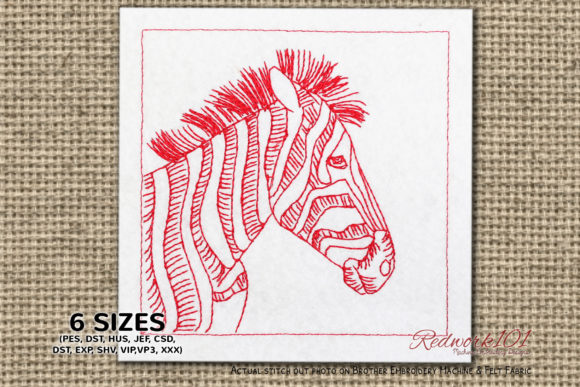
Zebra Head: A Designer's Review for Craft Fairs
As an experienced embroidery designer who has spent countless weekends setting up booths at local craft fairs and preparing inventory for handmade markets, I know that the difference between a design that sits on a shelf and one that sells out in minutes often comes down to visual impact and production practicality. When I first encountered Zebra Head, a cool redwork embroidery piece described as fun and easy to stitch, I immediately began visualizing it on my display table. This review breaks down exactly why this design is a strong contender for your wild animals collection and how it can elevate your embroidery business.
First Impressions: Bold, Modern, and Wildly Fun
The moment you look at the Zebra Head design, the description promises what the eye sees: a "wild touch" that feels both modern and approachable. Redwork embroidery, characterized by its single-color outline style, has seen a massive resurgence in the handmade market. It offers a clean, graphic aesthetic that works exceptionally well for contemporary farmhouse decor or minimalist fashion. Unlike intricate, multi-colored designs that can sometimes get lost in busy booth displays, Zebra Head stands out due to its high contrast and simplicity. It feels bold enough to be a focal point but simple enough to appeal to a broad audience looking for something unique yet not overly ornate.
The mention of an optional box stitch adds a layer of versatility. For sellers who want a framed look without the extra cost of complex stitching, the option to omit the box keeps the design streamlined. This flexibility is crucial when creating a cohesive line of products where some items need a border and others do not.
Product Potential: Where Zebra Head Shines
In my experience preparing for a weekend craft fair, selecting the right canvas is half the battle. Zebra Head is incredibly versatile across various craft fair product categories. Here is how I see it performing on specific items:
- Tote Bags and Market Bags: These are the bread and butter of any handmade shop. The zebra motif fits perfectly on the front pocket of a canvas tote bag. The stark lines of the redwork pop against natural canvas, linen, or even dark denim. It creates an instant statement piece that customers love to carry home.
- Aprons and Kitchen Towels: For the home decor section, Zebra Head brings a playful energy to the kitchen. On a white tea towel, it looks crisp and elegant. On a dark apron, it becomes a trendy accent. The design is large enough to serve as a central feature on a full-length apron but small enough to act as a charming detail on a smaller dish towel.
- Embroidered Patches and Caps: If you offer sew-on patches, this design is ideal. The clean lines make it easy to trim and finish, resulting in a professional-looking patch that adheres well to denim jackets or baseball caps. The "wild" theme resonates with customers who love nature-inspired accessories.
- Pillow Covers and Small Pouches: For smaller, giftable items, Zebra Head adds a premium feel. A small zippered pouch embroidered with this design makes for an excellent gift set item, while a pillow cover can transform a boring throw into a conversation starter.
Selling Strategy and Visual Appeal
When evaluating a machine embroidery design for commercial use, I always ask: does it photograph well? Does it sell itself? Zebra Head excels in both areas. The simplicity of redwork translates beautifully to digital photography, which is essential for Etsy seller listings and social media marketing. There are no color gradients to distort under different lighting conditions; the design remains sharp and clear in every shot.
This design also supports batch production effectively. Because it is "fun and easy to stitch," it reduces the time per unit, allowing you to produce higher quantities of finished goods for larger markets. Customers appreciate the handmade quality, and the graphic nature of the zebra head ensures that the finished product looks consistent whether it is a one-off custom order or part of a mass-produced run.
Practical Production Notes and Careful Use
While Zebra Head is designed to be user-friendly, every embroidery file requires attention to detail to ensure a top-tier result. As a designer reviewing this for potential sale, here are the critical factors to consider before hitting the start button:
- Stitch Density and Fabric Texture: Ensure the stitch density is appropriate for your chosen fabric. On textured towels or thick denim, verify that the needle penetrates smoothly without puckering. If the fabric is too rough, the fine lines of the redwork might get lost.
- Hoop Size and Placement: Confirm that the hoop size accommodates the design comfortably. While the description suggests it is easy to stitch, you must check the actual dimensions to ensure it fits your intended product without cutting off parts of the zebra head.
- Thread Contrast: The success of redwork relies entirely on thread contrast. Test your thread colors against the fabric. Black or navy thread on white fabric will create a classic look, while a bright red or teal thread can make the design pop for a more modern vibe.
- Small Details and Clarity: Although the design is generally robust, avoid scaling it down too much for very small items like tiny keychains. At smaller sizes, the details may lose clarity, making the zebra head look muddy rather than crisp.
- Curved Surfaces: When embroidering on caps or curved bags, remember that the design needs to be adapted or positioned carefully to follow the curve of the surface. A flat hoop may not yield the best results on highly curved items.
Designer's Checklist for Success
Before listing Zebra Head as a small shop product or adding it to your catalog of design assets, I recommend following these steps to guarantee customer satisfaction:
- Test on Scrap Fabric: Always run a test stitch on the exact fabric you plan to sell. Check for tension issues and how the stabilizer interacts with the material.
- Create Real Mockups: Don't rely solely on digital images. Create at least one real mockup of a tote bag or apron to show customers the true scale and texture of the work.
- Check Commercial Licensing: Verify the terms of the digital embroidery file. Ensure you have the proper rights to sell finished products made from this design.
- Use the Right Stabilizer: Proper stabilization is key to preventing distortion. Use cut-away stabilizers for stretchy fabrics and tear-away for stable wovens to maintain the integrity of the zebra lines.
Ultimately, Zebra Head is more than just a pattern; it is a strategic addition to your inventory. Its ability to blend the charm of wildlife with the clean lines of modern redwork makes it a standout choice for anyone looking to capture attention at a craft fair or boost their online sales. By paying attention to production details and showcasing the design on high-quality products, you can turn this simple sketch into a profitable, beloved item for your handmade brand.