Saxophonist: A Designer's Review for Craft Fairs
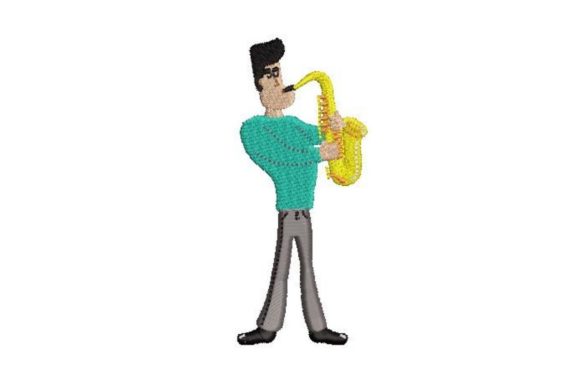
As an experienced embroidery designer who spends countless weekends prepping booths for local craft fairs and managing a busy handmade shop, I know that the difference between a design that sits on a shelf and one that sells out in minutes often comes down to visual impact and practical production. When I first looked at the Saxophonist machine embroidery design, my immediate thought was not just about the music theme, but about how this piece would perform in a real-world setting. The description paints it as a fancy design featuring a saxophonist singer, inviting you to get along with the love for music. But does it translate well from a digital file to a physical product that customers will want to buy?
The First Impression: Fancy Meets Funky
Based on the title and the promise of a "fancy" aesthetic, Saxophonist feels like it straddles the line between elegant and playful. In the world of handmade products, there is a constant battle between minimalism and statement pieces. This design leans towards the latter. It has the potential to be a bold focal point rather than a subtle accent. For an Etsy seller or a boutique maker, this distinction is crucial. A design described as "cute" yet "fancy" suggests it could work beautifully on premium items where customers expect a higher level of detail.
Imagine walking through a crowded market. Your eyes are drawn to the textures and colors. A standard floral motif might blend in, but a dynamic figure of a musician playing a saxophone creates a narrative. It tells a story of jazz, rhythm, and passion. This emotional connection is what drives sales. If the stitching density allows the curves of the instrument and the posture of the singer to shine, this design becomes more than just an image; it becomes a conversation starter. However, we must remain realistic. The term "fancy" can sometimes imply high stitch counts or intricate details that may struggle if not executed perfectly.
Product Potential: Where Saxophonist Shines
To truly understand the value of Saxophonist, we have to look at where it fits best in a product lineup. Let's consider the typical inventory of a successful craft fair booth. Tote bags are a staple, but they require designs that hold up to wear and tear. An embroidered patch or a large tote bag design featuring this musician could be a hit for music lovers. The contrast of a colorful saxophone against a canvas tote is visually striking and photographs exceptionally well for online listings.
Moving into the kitchen, tea towel embroidery is another massive category. A "Saxophonist" design here adds a touch of whimsy to a functional item. It transforms a plain cotton towel into a giftable handmade item that appeals to home cooks who love music. Similarly, apron embroidery is a natural fit. A chef or baker wearing an apron with a funky jazz player is a charming image that resonates with buyers looking for unique gifts. The design works well as a chest pocket accent or a larger central graphic depending on the layout.
For smaller, high-margin items, think about fabric pouches, small gift bags, or even pillow covers. These items allow for a bit more experimentation with thread colors. If the design includes lettering or specific color gradients, it can elevate the perceived value of the finished product. Even cap embroidery is a possibility, though the curvature of the hat requires careful planning. The key is that Saxophonist offers versatility across multiple categories, making it a valuable asset for a digital embroidery file collection.
Production Realities and Selling Points
From a production standpoint, ease of understanding is vital. Customers browsing a booth need to grasp the concept instantly. Does the design look clear? Is the silhouette of the saxophone distinct? If the design is too dense, it might feel stiff and uncomfortable on soft fabrics like t-shirts or lightweight towels. Conversely, if it lacks enough fill, it might look sparse on heavier materials like denim or canvas. The balance of stitch density is critical for maintaining the "fancy" quality mentioned in the description.
Photography plays a huge role in selling these items. A design that looks good in person must also look great in a printable mockup. The Saxophonist design should have strong lines and contrasting elements that pop in a photo. If the thread colors are too similar to the fabric, the design loses its impact. For an Etsy seller, this means selecting thread palettes that complement the base fabric while ensuring the musician stands out. Batch production is another factor. Can you hoop and embroider this design quickly? If the stabilizer requirements are complex or the hooping process is finicky due to the shape of the musician, your profit margins will shrink.
Careful-Use Notes for the Savvy Maker
Before you rush to produce a hundred units, there are specific pitfalls to watch out for. Dense stitch areas can sometimes cause puckering, especially on thin fabrics or textured towels. If the design features tiny details, such as fingers on the keys or facial features, ensure they are large enough to be visible after washing. Small lettering, if present, can become illegible on curved surfaces like caps or small pouches.
Fabric texture is another major consideration. While a smooth cotton works well, highly textured fabrics like waffle weave or heavy linen might hide the finer details of the embroidery. Dark fabric presents its own challenge; you will need to choose light-colored threads or use a high-density underlay to prevent the dark background from showing through the stitches. Furthermore, always check the recommended hoop size. If the design is large but you try to force it into a small hoop, you risk distortion. Always confirm the commercial licensing terms before selling finished products to avoid legal issues.
Designer's Checklist for Success
To ensure Saxophonist delivers the results you expect, follow these practical steps. First, test the design on scrap fabric using the same thread colors and stabilizer you plan to use for the final product. This helps you identify any tension issues or alignment problems early. Check the spacing carefully; a design that is too close to the edge of a tote bag might catch on things and fray over time.
Create at least one real mockup of your finished product. Don't rely solely on digital renderings. Hold the item in your hand. Does it feel premium? Does the embroidery sit flat? Compare different fabric colors to see which combination brings out the "fancy" aspect of the design. Finally, review the stitch density. If the design is too thick, it might crack when folded. If it is too light, it might look cheap. By taking the time to inspect these details, you ensure that your brand consistency remains high and your booth display strength is undeniable.
In conclusion, the Saxophonist design has the potential to be a standout piece in any craft fair or online store. It combines the universal appeal of music with the tactile joy of handmade goods. Whether you are creating a unique gift, a trendy accessory, or a decorative home item, this design offers a creative avenue to engage buyers. Just remember to respect the technical limitations of machine embroidery, choose your materials wisely, and focus on the quality of the finished product. With the right execution, Saxophonist could easily become a bestseller in your collection.